

How To Paint Colour And Light In Watercolour
18 essential watercolour techniques for every artist

Watercolour techniques are essential when it comes to mastering the art of watercolour painting (or aquarelle). Watercolours started being developed thousands of years agone, and so over time many different techniques have been practised. It's a complex, just extremely versatile medium, one time you get a hang of it.
Watercolour paints are made upwardly of coloured pigments suspended in a water-soluble vehicle. Combining the reflection of the white paper, and the translucent, frail watercolour paints, creates an enchanting luminosity on the page. Watercolours are not like shooting fish in a barrel to principal, but with the right techniques and plenty of do, they can exist incredibly rewarding.
With the brilliant tips below, our roundup of the top painting techniques and our all-time watercolour paper list, yous'll be well on your way to becoming a chief painter. You might also want to effort the best watercolour paints. Meanwhile, read on for our guide to watercolour techniques.
18 essential watercolour techniques
01. Buy a range of brushes

When it comes to watercolour painting, y'all will desire to accept a range of brushes. The brushes you choose volition depend on how big, or how small you work. If you well-nigh often work on the smaller side of things, then you will probably have to working with brushes ranging in sizes from 000 to six. It'southward all-time to have a go with a range of unlike sizes at first to work out what your favourites are, and which work best for y'all. Become your hands on a few brushes that are smaller than y'all'd commonly get for too, because they might come in handy downwards the line when adding details you didn't anticipate.
02. Go some good quality paints
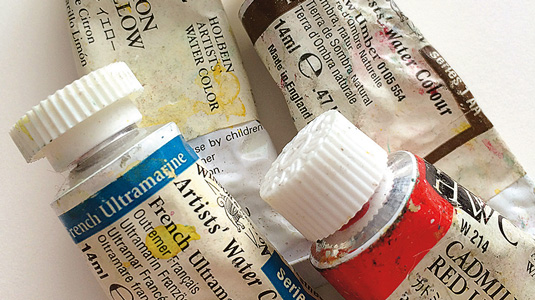
It'due south good program to invest in some expert quality watercolours equally these can really make a difference and take your piece of work to another level. Meliorate quality paints will besides tend to terminal longer and non yellowish or degrade equally much over time. At that place are enough of dissimilar high-quality water colour brands, that you tin buy from a range of places, whether that be online or in-store. We can recommend Holbein and Winsor & Newton. Information technology'due south a expert idea to buy a few colours from unlike brands when you lot are kickoff starting out, just then yous can understand which paints work best for you and go a ameliorate understanding of the way watercolours work. You lot don't take to buy every colour of the rainbow, you can mix to create the colours you want, using even the most limited of palettes.
03. Explore dry versus wet

There are two major factors to consider when painting with watercolours: wet and dry out. Every bit the name suggests, watercolour is a water-based medium. You tin dispense the darkness and saturation of the paint depending on how much h2o y'all add. There are many ways to paint in watercolour and as you try them, you lot'll notice the ones that work best for you. Working dry to moisture can aid achieve more command.
04. Piece of work from low-cal to nighttime

Another one of the key watercolour techniques to remember is working from light to dark. This ways that anything yous're keeping white or light in your watercolour painting needs to stay that way for the whole duration of the work. Build your values upwards layer by layer to go far at the effect yous want. This does take a lot of planning only the results volition be worth it.
05. Stock up on paper towels
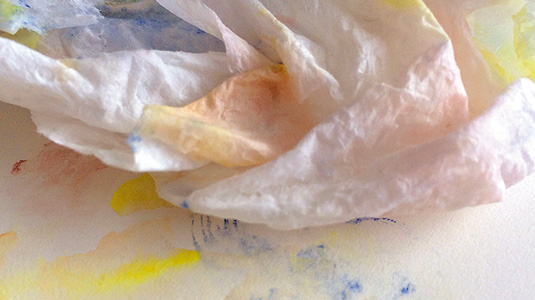
One very important tool to have in your kit for watercolour painting is a paper towel. This almost acts as a kneaded eraser for your watercolours. Laying down a wash of color and then lifting parts of it upward is a great way to add layers of item gradually. Paper towels are also very useful for correcting mistakes or redirecting the paint.
06. Splatter your watercolours
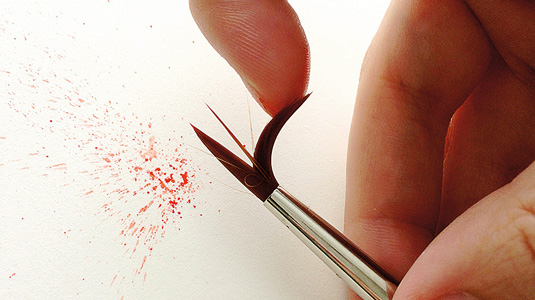
One handy trick to add some free energy to your watercolour painting is to use a splatter watercolour technique. This can help propose water spray or floating dust. Hold your paintbrush between your thumb and middle fingers. Using your alphabetize finger, pull back on the bristles and let them snap forrad. This method is a bit unpredictable, merely it can yield some very fun results, so information technology's well worth experimenting with.
07. Bleed colours into one some other

A practiced style to drain colours into one another is through the 'blooming' watercolour technique. Add a good amount of water to the pigment in your brush and apply it to the paper. When the stroke is even so moisture, add in another colour with the aforementioned amount of h2o. You can manipulate the colours to where they need to exist at this point. Permit this to dry and you'll discover that there are subtle gradients throughout the stroke. Likewise see our guide to the wet-in-moisture watercolour technique.
08. Get the textures right

You'll notice that working in watercolours on a rougher paper does have its advantages. One of the obvious ones is that you don't take to work to hard to achieve a overnice texture. That said, it's important to endeavor to draw objects and materials with their textures included. This means using lights and darks too as wets and drys.
09. Pull in colour

When you lot utilise a dry, more saturated stroke in watercolour painting, you tin pull from that stroke with only water. This watercolour technique is a great fashion to testify form and point a light source or edge. Apply a stroke using very little water and more pigment. Before the stroke is dry out, take a moderately wet brush and pull the colour out from the darker stroke. You can pull the colour quite far depending on how dry that initial stroke is.
10. Layer your colours

Considering watercolour is a thin medium, you'll need to build up colour gradually. This is another advantage to the medium as yous tin do some colour mixing right on the paper. Take one colour and lay it downwards. Permit information technology to dry and then revisit with another shade. You'll notice where they overlap, the pigment mixes and you're left with a different colour. This is great for building up flesh tones.
11. Try scumbling

Scumbling is a watercolour painting technique that'southward also used past many oil painters to create soft hues of layered pigment and lite. Y'all essentially layer the colour in soft, indirect layers to create the hue and expect you're later on. But lay in semi-moisture strokes of paint in watercolour. Every bit you apply more color, be conscientious to proceed adding h2o and so the colours blend and stay soft. It can be easy to overwork this, producing a muddy look, so less is more.
12. Lift the colour
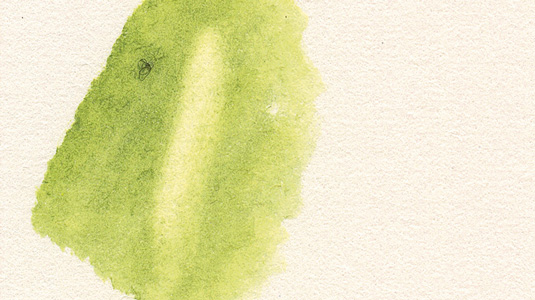
Sometimes yous'll demand to 'erase' your watercolour. While you tin can't return the newspaper to 100 per cent white, y'all can lift abroad colour to right a mistake or adjust the lighting in a piece. Work with an already dry swatch of watercolour and using clear water, paint in the shape y'all'd like to lift out. Let it set for a merely a minute then dab away the water with a paper towel. You lot'll run into the colour elevator out in the shape you painted in.
13. Employ common salt to create texture
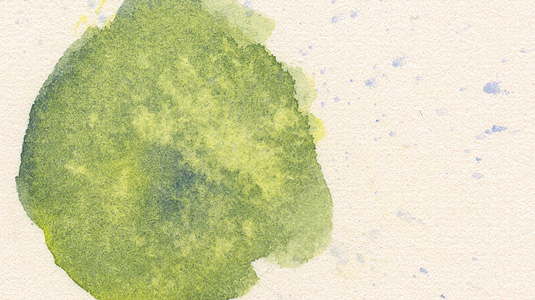
Watercolour painting technique is all about layering and texture. Salt tin provide an interesting texture with little effort as the salt crystals absorb the water, leaving a unique pattern in the paint. This watercolour technique is useful for adding texture to natural surfaces like rocks or tree bark. Showtime by laying downwards a swatch of watercolour, and so, while the pigment is still wet, sprinkle over salt. Permit it sit until it's more often than not dry and and so simply wipe or blow away the salt.
14. Apply paint using a sponge

Another useful household particular you lot can utilize in a watercolour technique is a sponge. Simply mix your pigment in a minor dish or tray, dip the sponge into the paint and blot onto your paper. You lot can change the wetness of your paint and achieve dissimilar effects – a drier look would be suited for plant life or scaly peel, while a wet application might be more suited for waterscapes or clouds.
15. Explore negative painting
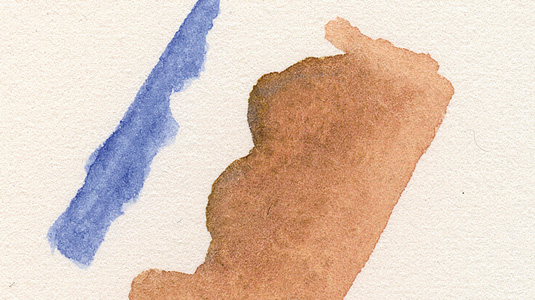
Watercolour painting requires planning. Call back about where y'all'd like your whites and lights to go before you employ paint. It's vital to keep control of your castor as you paint in the edge of where you'd like your negative space to brainstorm. Load it with semi-wet pigment and paint along the edge of where you'd like your negative space to brainstorm. Then pull the colour away from the edge of the stroke to fill in where you'd similar pigment. For more tips, take a expect at our guide to negative painting in watercolour.
16. Use tape to add clean edges

You tin utilize record to mask off areas you'd like to keep make clean and white. This watercolour technique is useful for difficult edges involving machinery or architecture. Just lay downwards the tape where you'd like the newspaper to stay white. Use a tape that won't rip your paper, such as drafting tape or painters' record. Paint over and around the record. Once your pigment is dry out, remove the tape slowly and you should accept a direct, make clean line.
17. Use a 2H pencil for your underdrawings

In the image above, a pencil with a 2H pb has been used to ensure the guide drawing will withstand the h2o from painting. You can then go in and lay in some light paint strokes with a medium-sized castor. If the paint is very watery information technology won't stain the paper right away.
18. Relieve your darkest darks for fine item
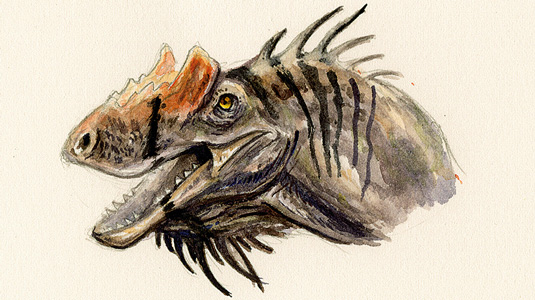
Resist the temptation to apply your darkest darks until you lot achieve the end of your painting. Because watercolour painting is a transparent medium, you'll need to make certain you keep your lights light, and save the darks and details until the end.
This article originally appeared in ImagineFX bookazine How to Paint & Depict.
Subscribe to ImagineFX here (opens in new tab) .
Read more:
- Essential oil painting techniques and tips
- Top sketching tips to help elevate your skills
- Pencil drawing techniques: Pro tips to sharpen your skills

Give thanks you for reading 5 articles this month* Bring together now for unlimited access
Enjoy your first month for but £one / $1 / €1
*Read 5 free articles per calendar month without a subscription
Bring together now for unlimited access
Endeavor first month for just £1 / $1 / €ane
Related manufactures
Source: https://www.creativebloq.com/illustration/20-watercolor-techniques-every-artist-should-know-31619705
0 Response to "How To Paint Colour And Light In Watercolour"
Post a Comment